By Claire Piper
When we think of attracting wildlife to the garden we tend to think of birds, frogs and toads, hedgehogs, bats perhaps. We think of a wildflower meadow or blossom trees and shrubs. Yet all these things depend for their existence on the smaller inhabitants of our gardens, the insects, spiders and other invertebrates.
More than bees and butterflies
We are used to thinking about bees and butterflies, and catering for them. But what about other pollinators such as moths, hoverflies and beetles? And what about some of the less attractive invertebrates – the snails which provide food for thrushes, or the aphids upon which ladybirds and lacewings depend, the compost heap dwellers like centipedes, woodlice and earwigs which provide food for some of our bats. These are the creatures which also do a service for us – by clearing up all the dead stuff – they are the detritivores.
And don’t forget the myriad creatures which live in the soil and make it fertile for us. A single teaspoon of healthy soil is said to contain more organisms than there are humans on the planet. And those organisms and the processes they encompass create healthy food for us (and we should all be growing some food in our wildlife gardens).
The charity Buglife, which campaigns for all things creepy-crawly has as its strapline ‘Saving the Small Things That Run the Planet’ and also on its website front page is a quote from David Attenborough: ‘If we and the rest of the back-boned animals were to disappear overnight, the rest of the world would get on pretty well. But if the invertebrates were to disappear, the world’s ecosystems would collapse.’

Providing food
So what can we do to make the lives of these tiny creatures, on which so much else depends, as successful as possible? All living creatures need food, water and shelter, so how can we provide these three things?
We are probably all familiar with the idea of providing flowers as food for pollinators. They need flowers of different shapes – both open and tubular, to suit their different tongue lengths, and they need flowers early and late in the season. It’s not just pollinators who benefit from flowers at the extreme ends of the season: any creatures which hibernate, like hedgehogs and bats need to eat lots just before and after hibernation, so insects fed by early and late flowers are very important to them. And don’t forget those other pollinators, the hoverflies and beetles – they seem to prefer umbellifer flowers, like cow parsley, fennel and angelica. Food for detritivores comes in the form of dead plant material and dead animals, so leaf litter on flower beds, and in the compost heap provide food for them.

Providing water
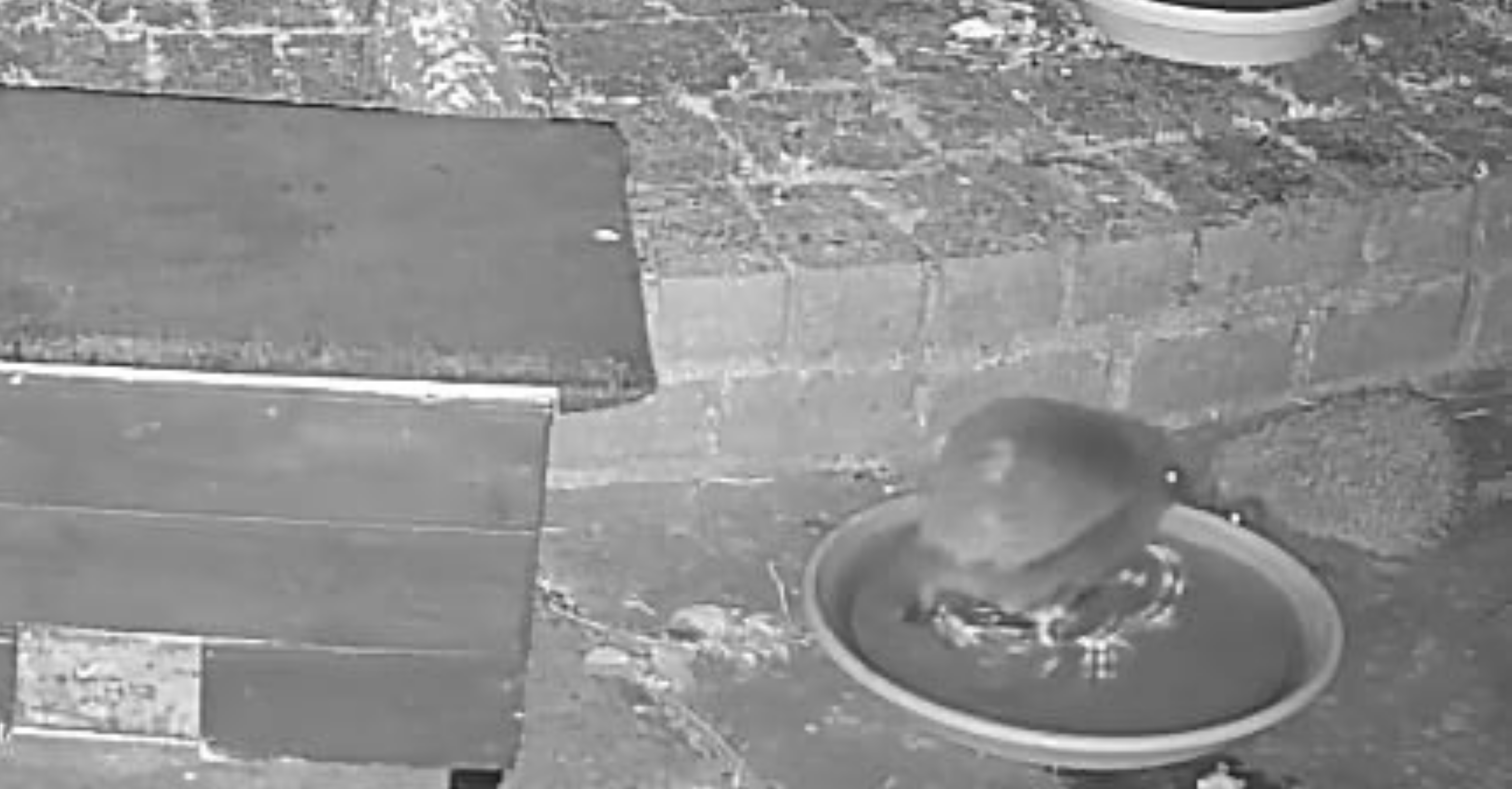
Providing drinking water for invertebrates need be no more complex than a simple tray of pebbles just covered with water. But many invertebrates also need water for their larvae – a bucket of water will soon be full of midge larvae (and midges are a major food source for bats). The gold standard for providing water has to be a pond, whether a simple patio pond-in-a-pot or a full-scale dug pond. It will provide for many insects (dragonflies for example) as well as all those larger animals. Always make sure there is an exit ramp.
Providing shelter
Leaf litter and compost heaps provide homes for invertebrates as well as food. A dead hedge (two rows of stakes with brushwood laid in between) or the smaller bug-snug (a tripod of canes with prunings inside) are both excellent homes for beetles and the like – and so is a log pile. Hollow stems of plants, left standing over winter will be used by small insects while bee hotels are more sophisticated and are very well used by solitary bees such as leafcutter and mason bees.
All these things are so easy to fit into an ordinary family garden but can do so much to help save ‘the small things that run the planet’. In doing so we are making a real difference not only to the invertebrates but to all the other creatures which depend upon them, and we are doing our bit to allay the biodiversity crisis.
Read about some of Claire’s suggestions for plants to support invertebrates in your wildlife garden on our resources page.