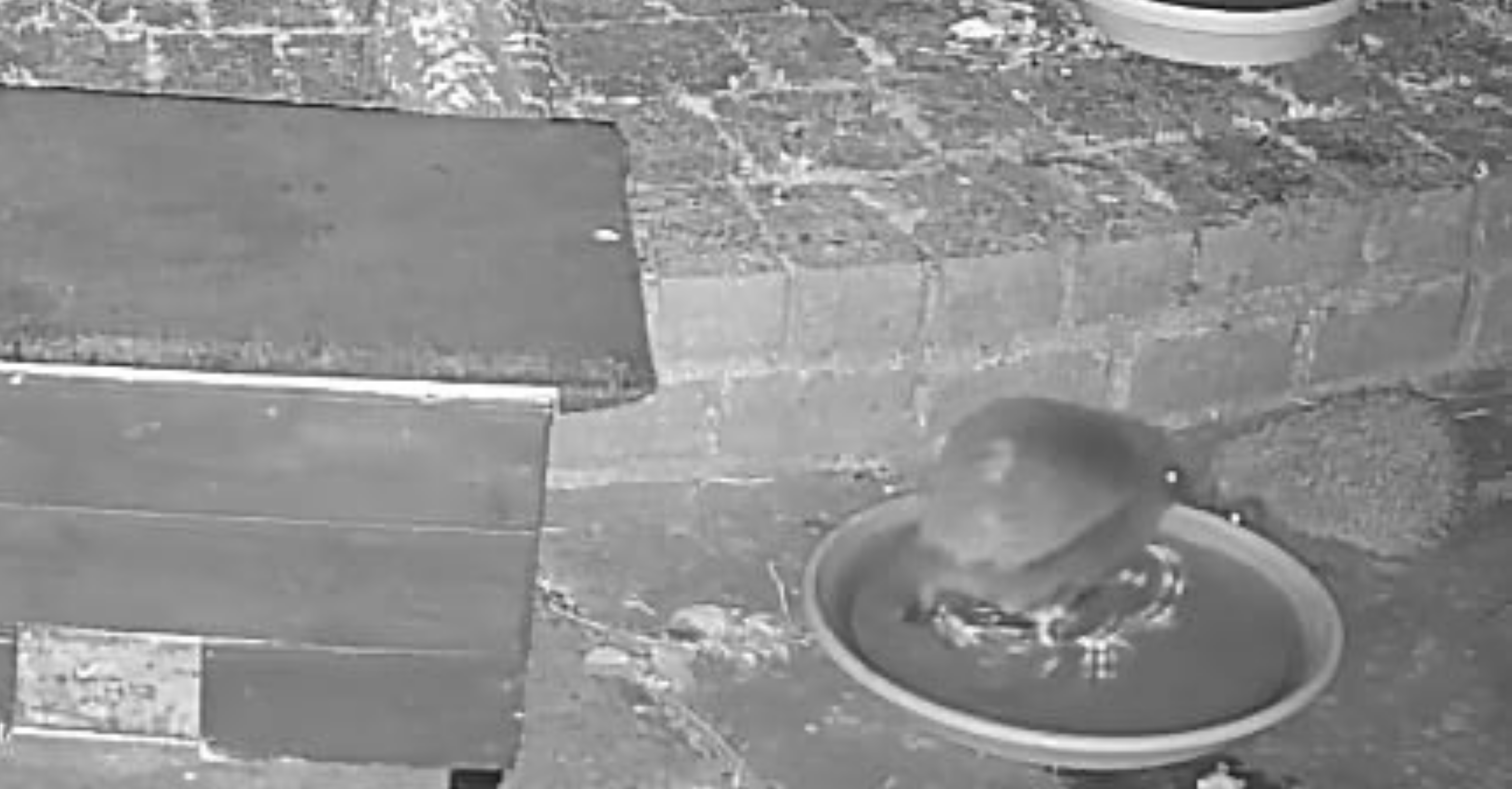
There’s something special about finding a hedgehog in your garden. The nocturnal visitors – often glimpsed briefly as they snuffle through the undergrowth before disappearing beneath a hedge, are a particularly cherished garden visitor, particularly as their presence is rare nowadays.
Brockworth Hedgehog Rescue is a volunteer-run charity caring for sick, injured and orphaned hedgehogs across Gloucestershire, including Cheltenham. The rescue provides care for hedgehogs that need help and, wherever possible, returns them to the garden where they were found.
Behind that work is a team of volunteers doing all the practical jobs that keep the rescue running – caring for hedgehogs, preparing food, cleaning cages, keeping records, helping with admissions, transporting animals to and from vets and much more.
But the rescue’s work isn’t only about caring for hedgehogs once they arrive. What happens in our gardens can make a real difference too.
Brockworth Hedgehog Rescue recommends support feeding hedgehogs that visit our gardens, rather than trying to replace their natural food. Their advice includes providing meaty cat food, cat biscuits or specialist meat-based hedgehog food, together with a shallow bowl of water. They also have a list of foods to avoid, including mealworms, peanuts and sunflower hearts.
There are other ways to make our gardens more welcoming to hedgehogs too. Providing a shallow dish of fresh water can provide useful support, while leaving some areas of the garden a little wilder can give hedgehogs places to forage and shelter. Another important thing to think about is access. If a hedgehog can’t get into your garden through gaps in the fence, they won’t visit. It’s also worth being mindful of the things we use and do in our gardens, and checking carefully before strimming or clearing areas where a hedgehog might be hiding. Brockworth Hedgehog Rescue has more advice on how to support hedgehogs in your garden, including what to feed them and which foods to avoid.
And if you find a hedgehog that you think may need help, it’s worth checking the rescue’s advice before doing anything. For example, an adult female found out during the day in summer may be a nursing mother and should not automatically be assumed to need rescuing. On the other hand, injured hedgehogs, sick or very unwell animals and orphaned hoglets can need urgent help. The rescue gives clear guidance on what to look out for and what to do.
Explore the Brockworth Hedgehog Rescue website
Could you help?
Brockworth Hedgehog Rescue relies on volunteers to keep its work going, and there are several different ways to get involved.
Hands-on rescue roles involve caring directly for hedgehogs and require a regular commitment, with full training provided. There are also opportunities to help with events and fundraising, transport and other support roles.
If you love wildlife and would like to do something practical to help Gloucestershire’s hedgehogs, you could become part of the team.
Find out about volunteering with Brockworth Hedgehog Rescue
And if volunteering isn’t possible, there are other ways to support the rescue, including donating food or newspapers.
Read about what a local couple do to support hedgehogs in their garden