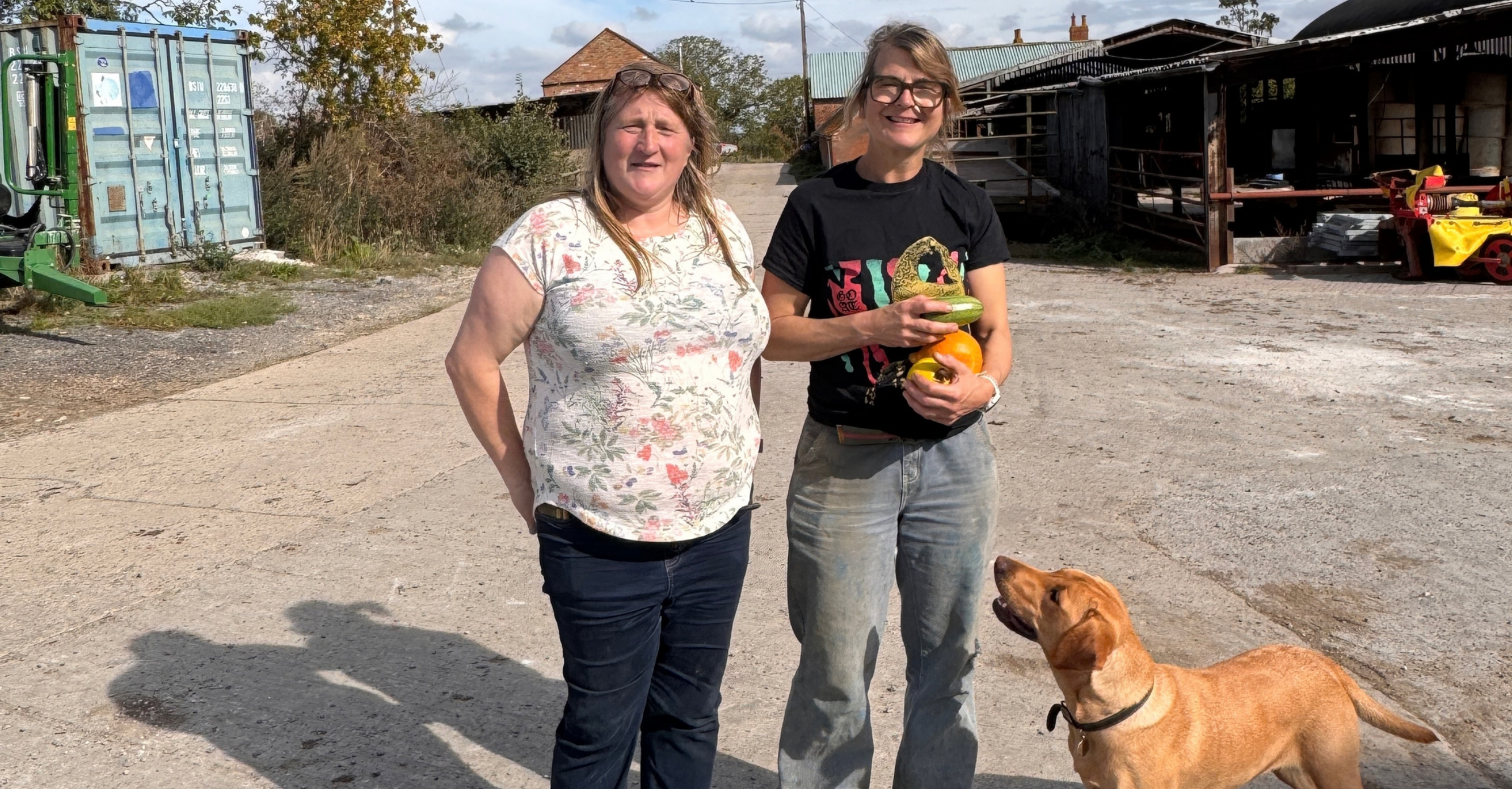
Recently, we spoke with Veterinary Surgeon Rosemary Perkins, who is knowledgeable about the environmental impact of animal healthcare.
It turns out that something many of us do routinely to care for our pets may also be having unintended consequences for wildlife.
An Invisible Problem
Many dog and cat owners use spot-on flea and tick treatments to protect their pets from parasites. These treatments play an important role in supporting animal health and welfare. However, growing evidence suggests that some of the chemicals used in these products are finding their way into rivers and streams across the UK.
Research has detected chemicals such as fipronil and imidacloprid in many watercourses. These chemicals are highly effective at killing insects and other invertebrates, which is why they are used in parasite treatments. Unfortunately, this also means they can affect aquatic insects and other wildlife when they enter the environment.
What surprised us most was how easily this can happen.
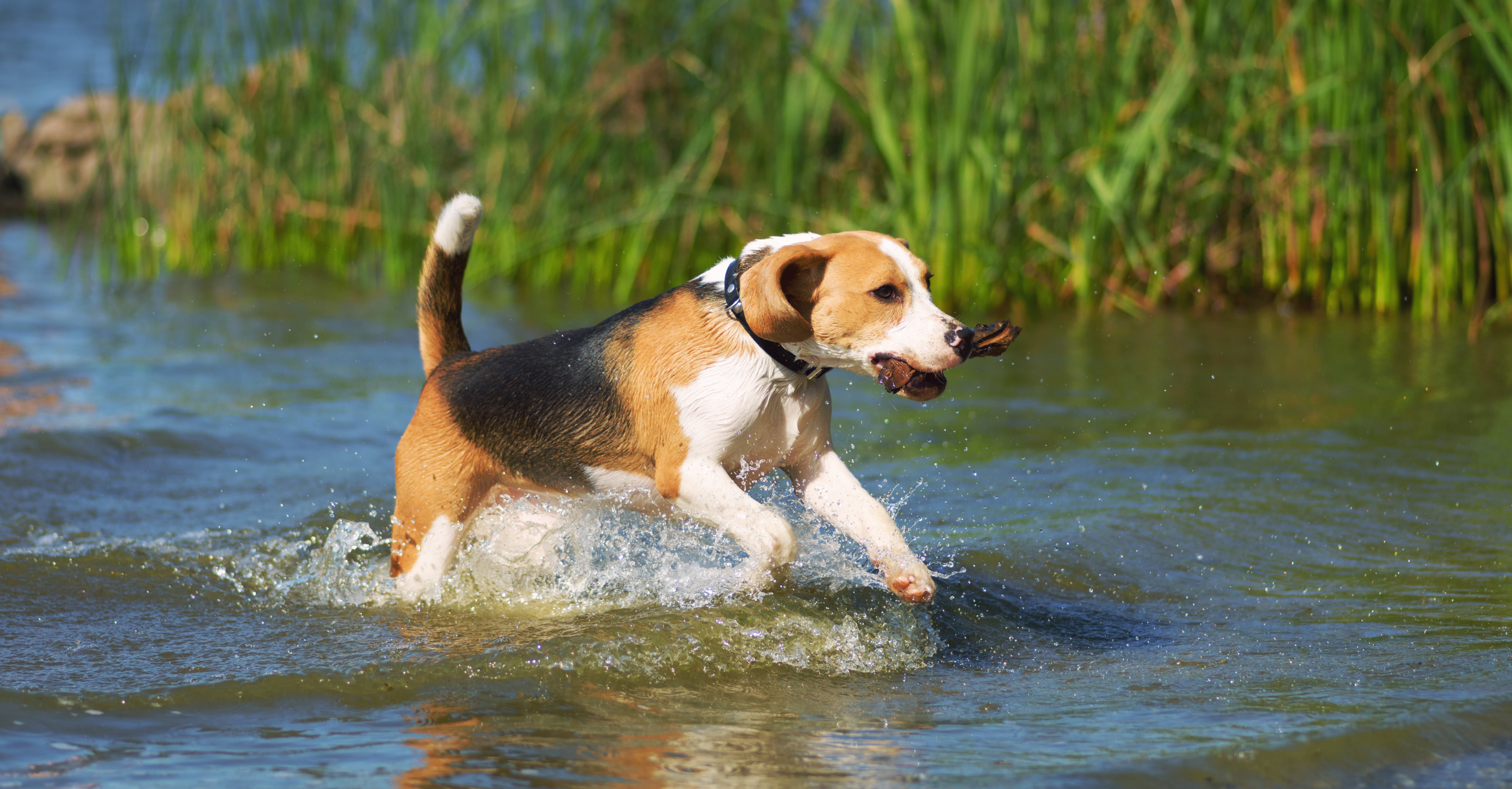
A treated dog jumping into a river, being bathed at home, bedding being washed, or even residues being rinsed from our hands can all contribute small amounts of these chemicals entering the wider environment.
Individually these actions may seem insignificant. Collectively, across millions of pets, they pose a significant risk.
Why Should We Care?
When we talk about nature recovery, we often focus on the things we can see.
- Planting wildflowers for pollinators.
- Creating ponds.
- Installing bird boxes.
- Improving habitats for hedgehogs.
All of these things matter. But healthy ecosystems also depend on insects and other invertebrates that most of us rarely notice. They pollinate plants, break down organic matter, support fish populations and form the foundation of many food chains. If we want healthy rivers and thriving wildlife, these small creatures matter too.
That is why organisations such as Vet Sustain are working to raise awareness of the issue and encourage conversations about how parasite treatments are prescribed and used.
It’s Not About Choosing Between Pets and Wildlife
One thing Rose was keen to stress is that this isn’t about stopping parasite treatments or putting pets at risk. It’s about making sure these products are used responsibly – in a way that is targeted and proportional, rather than routine. Fleas, ticks and worms can cause genuine health problems for animals, and in some cases for people too, so treatment should still be given where it’s needed.
The goal is to make sure that treatments are used thoughtfully and appropriately, based on an animal’s individual circumstances and level of risk.
Veterinary professionals are increasingly exploring more targeted approaches to parasite control, helping owners make informed decisions while also considering the impact on the environment.
Small Actions Can Make a Difference
What struck us most from our conversation was that this is an issue many people have never heard about. Yet unlike some environmental challenges, there are practical things we can do. The first step is simply awareness.
Pet owners can speak to their vet about parasite treatment plans, ask questions about what is needed for their particular pet, and learn more about the different options available.
Not every animal has the same lifestyle, exposure to risk or treatment needs.
Nature Recovery Is About Connections
At Cheltenham Action for Nature, we often talk about the connections between gardens, rivers, wildlife and people. This conversation with Rosemary was a reminder of just how connected everything really is. Nature recovery is not only about creating new habitats or planting more flowers. It is also about understanding how our everyday choices affect the wider environment.
Many of us are already doing wonderful things for wildlife in our gardens and communities. This is simply another opportunity to learn, ask questions and consider how we can help. Sometimes the most powerful changes start with something as simple as a conversation. And sometimes protecting nature begins in places we would never expect.
The Western Sussex Rivers Trust have recently developed some good resources for pet owners.