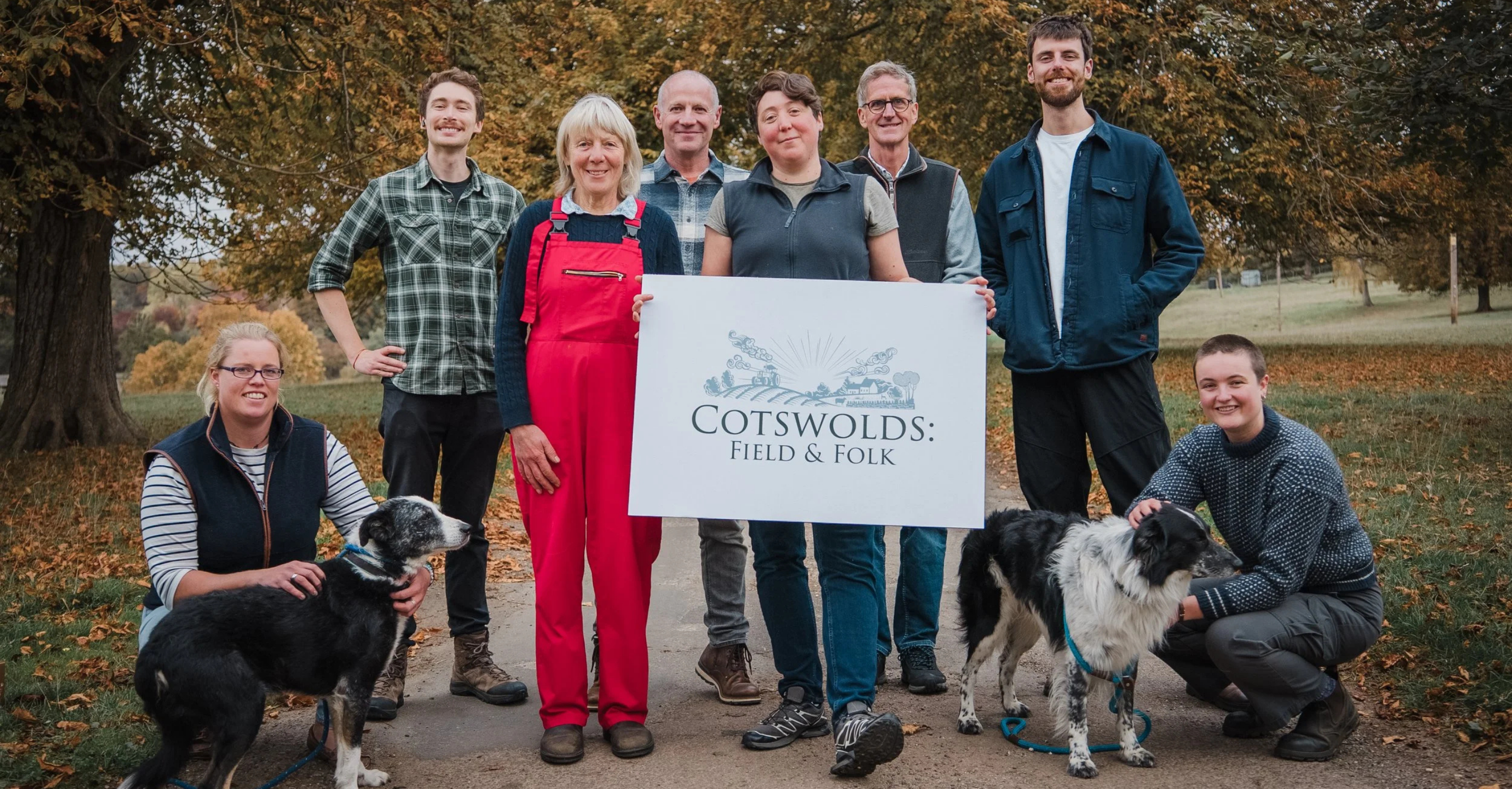
Last week, Felicity and Helen went to Isbourne Arts in Winchcombe to see Cotswolds: Field & Folk, a new documentary from Leaping Fox Films exploring farming, landscape and rural communities across the Cotswolds.
Before the film, local musicians Lawton & Mack performed the soundtrack live, which gave the evening a really special atmosphere. Afterwards, the audience heard directly from the farmers and growers featured in the film, including Lydia Handy from Homegrown at Hampen, shepherdess Abby Cook, and young farmer Lucy Robbins, alongside director Tea Smart. Hearing their experiences first-hand made the stories in the film feel immediate and real, rather than something happening somewhere else.
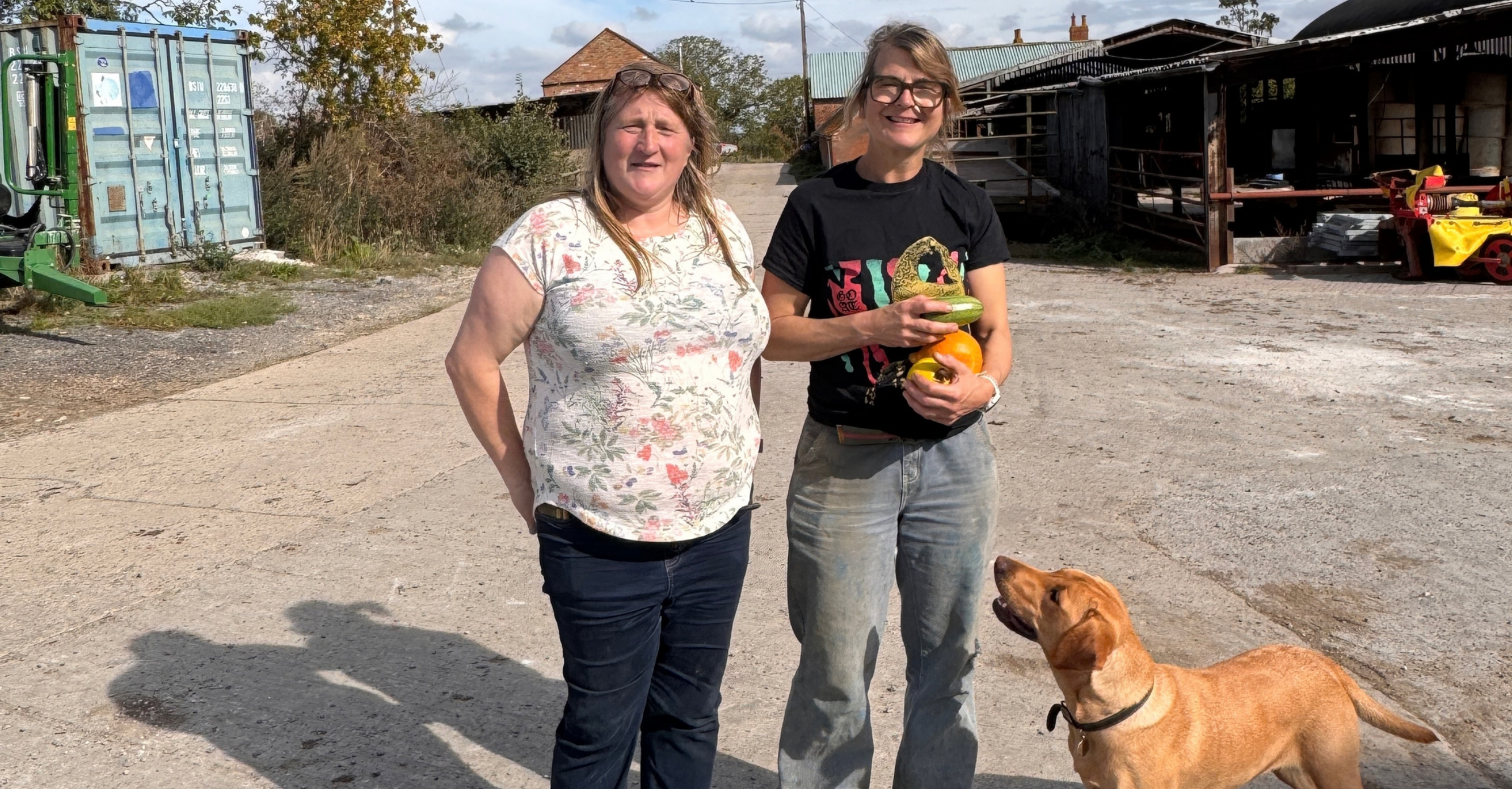
The next morning, Helen visited Lower Hampen Farm, one of the farms involved in the project, and picked up some absolutely glorious vegetables from the farm shop.
For many of us living in Cheltenham, the countryside can feel surprisingly separate from everyday life. We drive through it, walk in it, admire the views – but we rarely feel connected to the places where our food is actually produced. Visiting the farm immediately after watching the film made that separation feel much smaller.
Working with nature, not against it
One of the strongest themes running through both the film and the Q&A was the idea that farming is changing from a model of fighting against nature to one of working with nature. Whether farmers describe their approach as organic, regenerative or something in between, the message was remarkably consistent: healthier soils, more diverse systems and stronger ecological relationships are becoming essential for resilience.
The weather stories were eye-opening. 2024 was exceptionally wet, 2025 was exceptionally dry, and 2026 is again bringing prolonged hot, dry conditions. Farmers described crops failing to germinate, harvests happening weeks earlier than usual, and the constant challenge of planning when the weather is becoming increasingly unpredictable.
At Lower Hampen Farm, grain is being harvested now rather than in August, which is the more typical timing. Another farmer described under-sowing legumes to improve soil health and support wildlife, only for them not to germinate because of the dry conditions – a decision that benefited nature in principle, but also carried a real financial cost.
These aren’t abstract climate statistics; they are decisions being made field by field, season by season, by people trying to produce food while the rules of the weather keep changing.

Why diversification matters
What impressed us most was that the farmers were not presenting themselves as victims. They were talking about adaptation. Several spoke about returning to mixed farming – combining livestock, crops, horticulture and other enterprises – as a way of spreading risk. If one part of the system has a difficult year, another may help keep the farm viable.
That felt like a powerful lesson from nature itself: diversity creates resilience.

The question we brought back to Cheltenham
One of the biggest questions we brought back to Cheltenham was this:
How can people in Cheltenham get more connected to the land that feeds them?
The film reminded us that the Cotswolds landscape is not just scenery. It is a working landscape shaped by centuries of farming, and it is currently facing pressures from climate change, biodiversity loss, economics and changing agricultural policy. Field & Folk explores these themes through the voices of farmers, showing how closely people and landscape are intertwined.
We think there are many possible ways to rebuild that connection:
- Growing some of our own food, even in a few pots or a small raised bed.
- Supporting community growers and allotment projects.
- Buying directly from local farms and farm shops when we can.
- Visiting farms and hearing farmers’ stories first-hand.
- Understanding how soil, weather, wildlife and food are all connected.
Perhaps most importantly, we need more conversations that bring together urban communities and the people who manage the surrounding landscape. Nature recovery does not stop at the edge of Cheltenham; it is linked to the fields, rivers, grasslands and farms that surround the town.

Upcoming screenings
If you’d like to experience Cotswolds: Field & Folk for yourself, there are two particularly exciting screenings coming up:
Parabola Arts Centre, Cheltenham – 15 August
Part of the Cotswolds National Landscape 60th anniversary celebrations, this event includes the film screening, a hosted Q&A, photo exhibition and live music.
Lower Hampen Farm – 13 September
A special community screening hosted by Lydia and the Homegrown at Hampen team, bringing the film back to the landscape where part of the story was filmed. The evening will celebrate local farming, food and rural communities.