The news from around the world is feeling overwhelming right now. Conflict, instability and uncertainty remind us how fragile many of the systems we rely on can be.
But they also highlight something important: resilience.
Resilience is often talked about in economic or political terms, but it is also deeply connected to the natural world. Healthy ecosystems support the foundations of human life – fertile soils that grow food, pollinators that help crops and gardens flourish, trees that cool our streets, wetlands that store water and reduce flooding.
In other words, the same things that support wildlife also support us.
Across the world, organisations such as the Food and Agriculture Organization of the United Nations increasingly emphasise the importance of resilient food systems – systems that are diverse, locally rooted and supported by healthy ecosystems. When landscapes are rich in biodiversity, they tend to be better able to cope with shocks, whether those shocks come from climate change, economic disruption or conflict.
This idea sits at the heart of ecological resilience, a concept developed by ecologists such as C. S. Holling. Diverse, well-connected ecosystems are better able to absorb disturbance and recover over time.
While these ideas often sound global or abstract, they are also visible close to home.
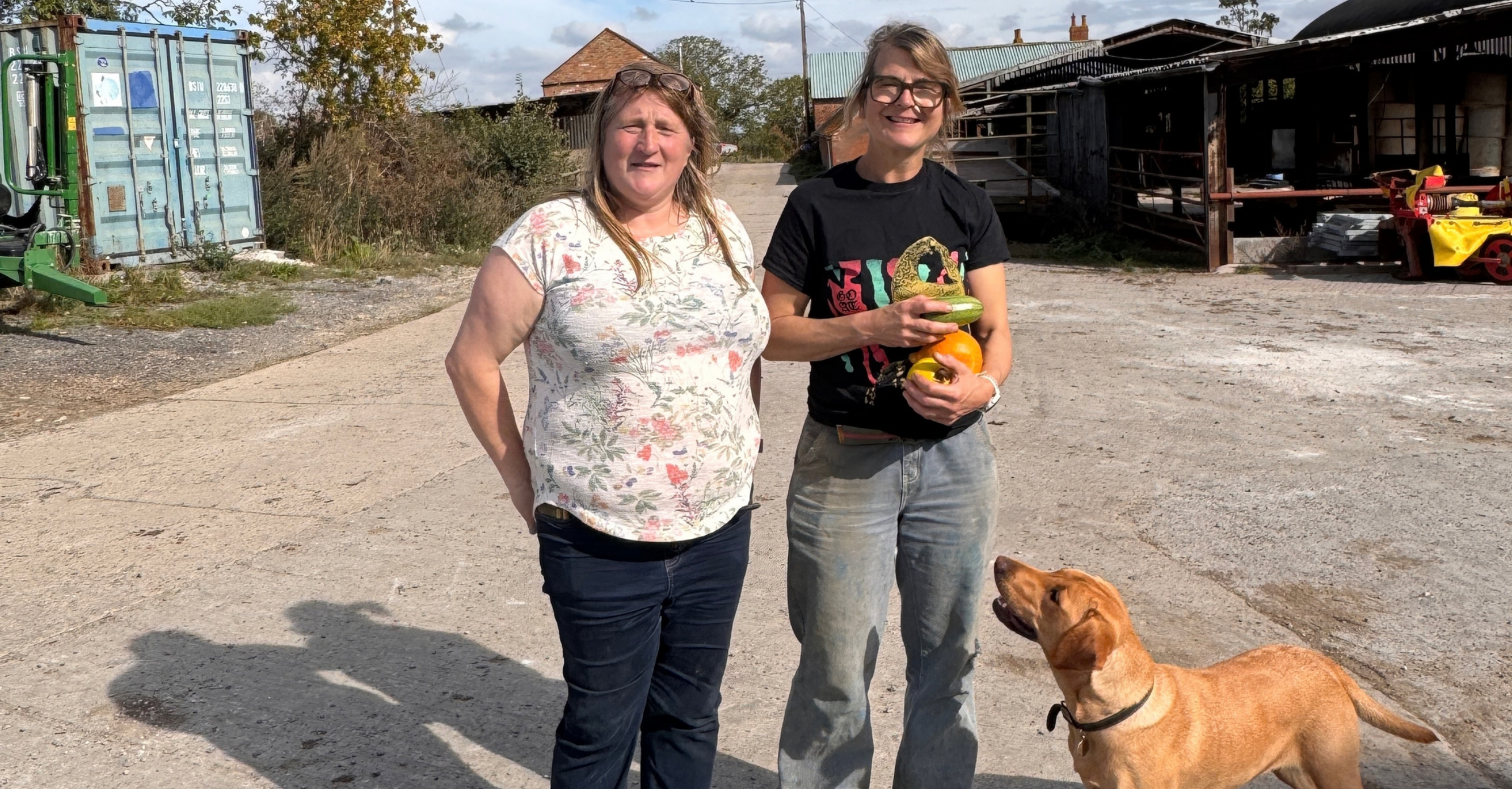
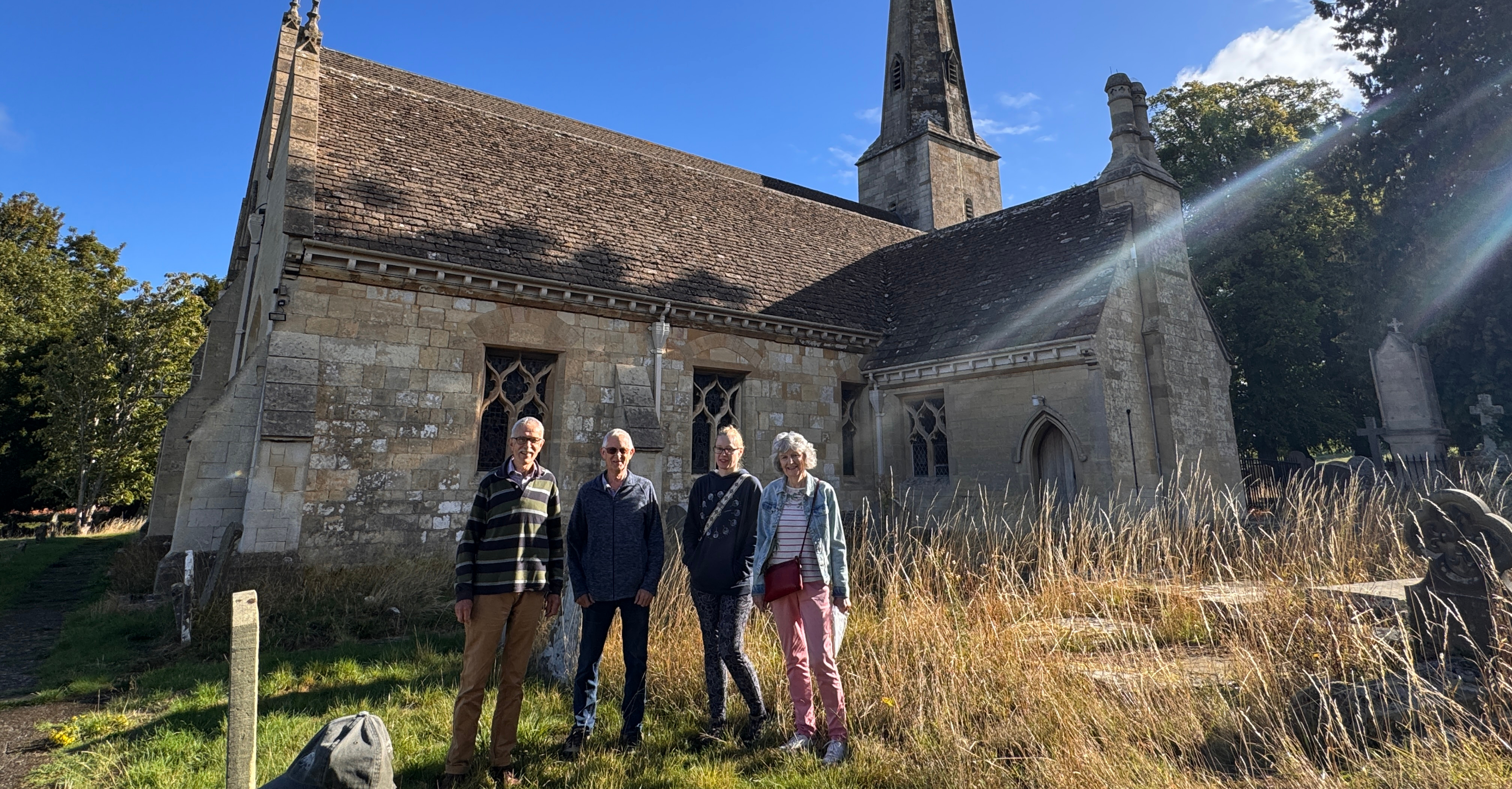
In Cheltenham, resilience can be seen in the small but important actions happening across the town: volunteers caring for nature reserves, residents planting pollinator-friendly gardens, growers making soil health a priority, community groups looking after green spaces, and local projects helping people connect with nature.
These efforts may seem modest, but together they contribute to something larger – a healthier, more connected landscape that supports both wildlife and people.
Looking after nature is not just about protecting species. It is also about strengthening the systems that sustain our communities.
In uncertain times, that feels more important than ever.