A report from the RHS in Oct highlights something many of us probably already know: growing food and gardening with other people can do far more than fill a plate.
The report, called Space to Grow, found that community gardening helps bring people together, improve wellbeing, support wildlife and make neighbourhoods greener and more welcoming.
Reading it, it is hard not to think of Cheltenham. Across the town, there are already brilliant examples of people coming together to grow.
There is the community allotment in Charlton Kings. There is Cheltenham is Growing. There is Annecy Gardens run by Vision 21. There is the Community Rest Garden off Tewkesbury Road. There are people growing vegetables and flowers on allotments, in school grounds, churchyards, community spaces and in their own back gardens.
Many of these projects may be quite small. Some are well established and some are just beginning. But together, they show what is possible.
They are not just places where things are grown. They are places where people meet, share skills and build confidence. They are places where someone might learn how to sow their first seeds, discover how to compost, swap seedlings with a neighbour or find out how to make a garden better for wildlife.
They are also places that can support nature.
A community garden or allotment can be full of pollinator-friendly flowers, compost heaps, ponds, fruit trees and healthy soil. Even a few raised beds or pots can create food and shelter for insects and birds.
At the same time, there is a growing awareness that how and where we grow food matters more than ever. Global supply chains are increasingly uncertain, and the UK currently produces only around 60% of the food it consumes. While community growing on its own will not solve this, it does point to something important: that local, small-scale food production could become more than a hobby. It can build skills, resilience and a stronger connection to where our food comes from – things that may become increasingly valuable in the years ahead.
The Space to Grow report suggests that community growing has huge untapped potential, but that projects often work in isolation and need more support and better connections.
One of the things we have been hearing is that there is already lots happening here – but people do not always know about it. Groups may be facing similar challenges, looking for the same volunteers or trying to find the same information without knowing that others have already found answers.
We do not need to start from scratch. Instead, perhaps what is needed is to join up what already exists.
Grow Your Own Cheltenham is beginning to explore how we might do that.
Could we create more opportunities for people and groups to meet and share ideas? Could we help connect people who are new to growing with those who already have knowledge and experience? Could we make it easier to find local growing projects, swap seeds, share surplus produce or learn practical skills such as composting, seed saving and wildlife-friendly growing?
The aim is not for Grow Your Own Cheltenham to do everything itself. Rather, it is to help connect the people, groups and spaces that already exist, so that together they can become something bigger.
Perhaps one group has expertise in community growing. Another knows all about seed saving. Someone else has experience of creating wildlife-friendly gardens or supporting schools to grow food. By sharing those skills and ideas, we could help more people across Cheltenham take part.
And the possibilities are not limited to traditional allotments or gardens.
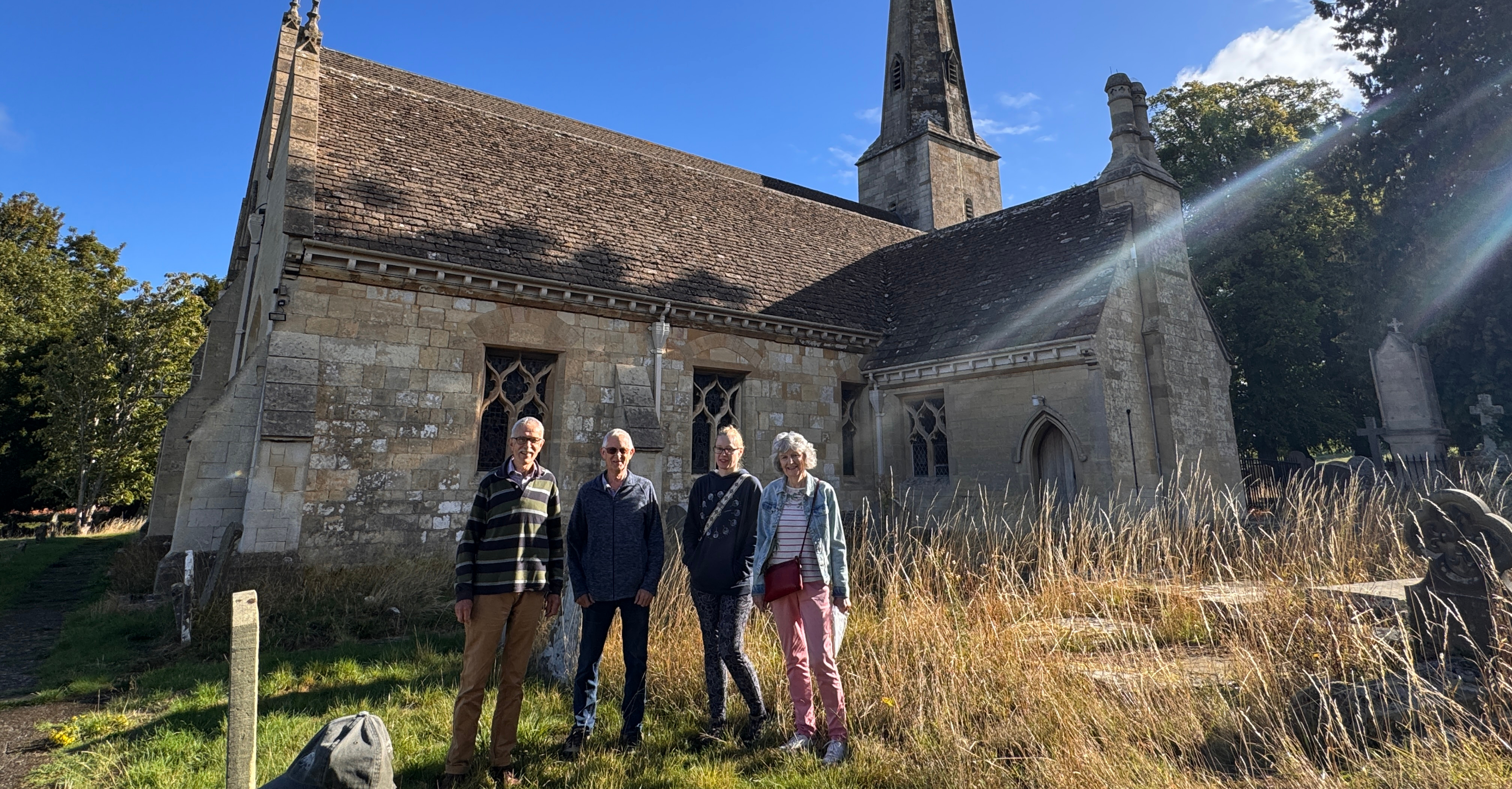
The report reminds us that growing can happen almost anywhere: in a school playground, outside a community centre, in a churchyard, on a housing estate, in a neglected corner of a park or in a few pots outside a front door.
Taken together, these spaces could become part of a greener, more connected Cheltenham.