When we think about helping nature, it’s easy to focus on individual places. A nature reserve. A park. A river. An allotment. A wildlife-friendly garden. All of these places matter. They provide food, shelter and breeding places for wildlife. They are often where we see nature at its best.
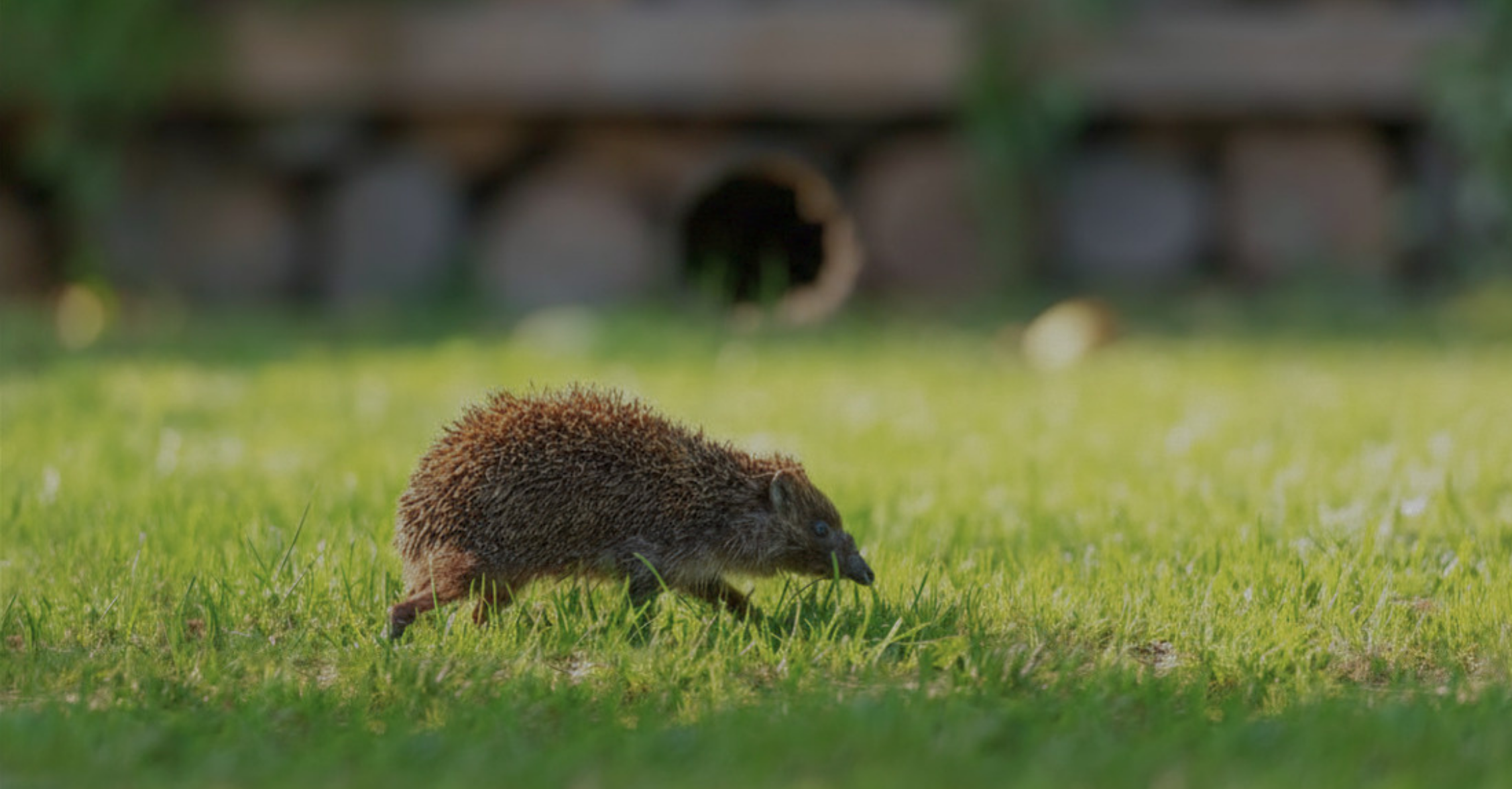
But for many species, what matters just as much is what lies between them. A hedgehog doesn’t recognise the boundary of a park. A butterfly doesn’t know where a nature reserve ends. Bats, birds, amphibians and insects all move through the landscape looking for food, shelter and safe places to rest.
If habitats become isolated from one another, wildlife can struggle to survive and adapt. But when habitats are connected, species have more opportunities to move, spread and thrive. This is where the idea of wildlife corridors comes in.
What is a wildlife corridor?
A wildlife corridor is simply a route that helps wildlife move between habitats. Sometimes these corridors are obvious. Rivers and streams often act as natural highways for wildlife. Railway embankments, woodland edges and hedgerows can do the same. Other times they are made up of lots of smaller places working together. A pond here. A line of trees there. A wildlife-friendly verge. An allotment. A churchyard. A garden.
Individually, these places may not look particularly significant. Together, they can form a network that helps wildlife move through a town.The goal is not to turn every corner of Cheltenham into a nature reserve. Instead, it is about making it easier for wildlife to move through the landscape and connect with other habitats.

Seeing Cheltenham differently
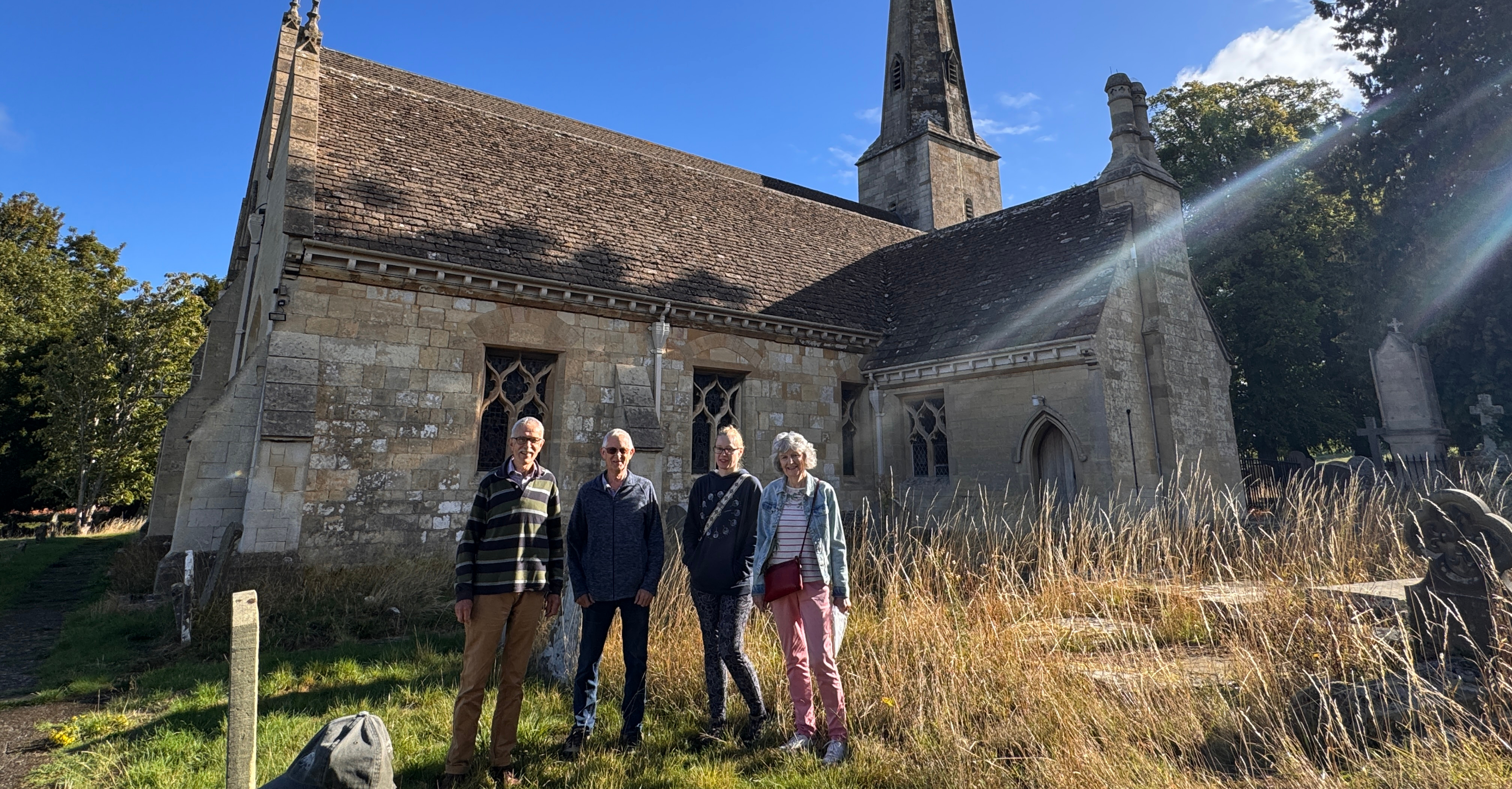
Recently, members of Cheltenham Action for Nature were shown around parts of Leckhampton by local residents. The walk wasn’t focused on a single site or project. Instead, it highlighted something more interesting. Once you start looking, opportunities appear everywhere.
- A stream linking two areas of habitat.
- A row of mature trees running through a neighbourhood.
- A disused railway line that is now a nature corridor.
- A patch of rough grassland.
- An allotment site buzzing with pollinators.
- A churchyard full of wildflowers.
- A series of gardens stretching between larger green spaces.
Viewed individually, these places can seem disconnected. But viewed together, they begin to form something much bigger. They start to look like a network. And that raises an important question. What would happen if we started thinking about Cheltenham as a connected landscape for wildlife?

The ingredients are already here
Cheltenham already contains many of the building blocks needed to support wildlife. The River Chelt and its tributaries weave through the town. Nature reserves and Local Wildlife Sites provide important refuges for plants and animals. Parks, churchyards and other green spaces offer food, shelter and nesting opportunities. The Honeybourne Line, Pilley Bridge and other green corridors help connect different parts of the town. Allotments support pollinators, birds and other wildlife, while many roadside verges provide valuable habitat when managed sympathetically.
And then there are Cheltenham’s thousands of gardens. Together, these places form a remarkable patchwork of habitats. The challenge isn’t that nature is absent from Cheltenham. The challenge is understanding how these places connect, where the gaps are, and how we can strengthen the links between them.
Small actions, bigger impact
One of the encouraging things about wildlife corridors is that they are not created solely through large projects. Sometimes relatively small actions can make a real difference. A pond can provide a stepping stone for amphibians. A hedge can offer shelter and movement routes for birds and mammals. Wildflowers can support pollinators moving between habitats. A simple gap in a fence can help a hedgehog travel safely through a neighbourhood. When enough of these actions happen across a landscape, they begin to add up. What looks like lots of individual decisions can become a connected network.

Building a picture of nature in Cheltenham
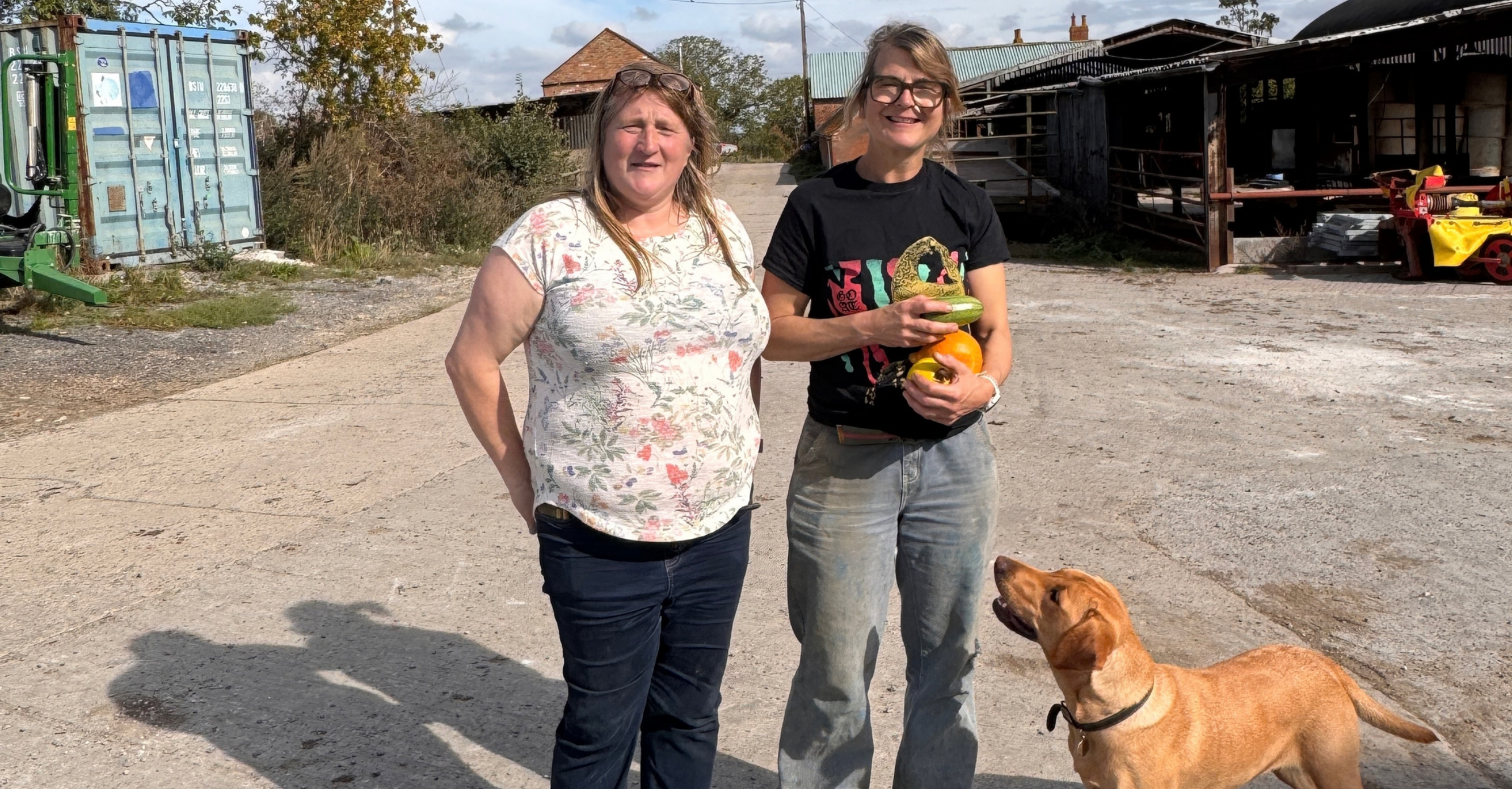
Over the last six months, Cheltenham Action for Nature has spent time talking with local nature groups, volunteers, allotment holders, Friends groups, the council’s Green Spaces team, Gloucestershire Wildlife Trust and many others who are helping nature thrive across the town.
We’ve visited nature reserves, explored rivers and streams, learned about local projects, and heard from people who have spent years caring for places that matter to wildlife. Those conversations have revealed that there is already a huge amount of positive activity taking place across Cheltenham. People are restoring habitats, improving green spaces, creating ponds, planting for pollinators, caring for rivers, protecting species and helping local wildlife in countless different ways.
At the same time, they have highlighted an important question. How do all these places, projects and people fit together? Increasingly, we believe that understanding those connections is an important part of nature recovery. The Gloucestershire Nature Recovery Strategy, for example, highlights the importance of creating bigger, better and more connected habitats across the county. What might that look like in Cheltenham? Where are the opportunities? Where are the gaps? And how can local projects contribute to something larger?
We’re still learning, but one thing is becoming clear: nature recovery is not just about individual sites. It’s about understanding the wider network and how different places support one another. The Gardens for Nature Checklist is one small part of that picture. Gardens are only one piece of the puzzle, but because there are so many of them, they have enormous potential to strengthen connections between larger habitats. Alongside rivers, allotments, parks, churchyards, verges, nature reserves and other outdoor spaces, they help form the hidden network of nature running through Cheltenham.
The more we learn about these places and how they connect, the better placed we will be to identify future opportunities for nature recovery across the town.
A shared opportunity
Across Cheltenham, people are restoring rivers, managing nature reserves, planting trees, improving parks, creating ponds, looking after allotments and making space for wildlife in their gardens. The opportunity now is to think about how all of these efforts fit together.
Because the future of nature in Cheltenham may depend not just on protecting individual places, but on helping them connect.
If you’d like to help strengthen that network, take a look at our Gardens for Nature Checklist. Whether you complete it or simply use it for inspiration, it contains practical ideas that can help make your garden more welcoming to wildlife and contribute to the wider nature network across Cheltenham.
And if you’re part of a street, neighbourhood, residents’ group or local community and would like to explore how your area could become more connected for wildlife, we’d love to hear from you. Get in touch at hello@cheltenhamactionfornature.org and let’s start the conversation.