Today marked a significant milestone for Cheltenham’s natural environment, as Leckhampton Hill and Charlton Kings Common were officially declared a National Nature Reserve at a ceremony held at the Hillfort on Leckhampton Hill.
The declaration, hosted by Cheltenham Borough Council and confirmed by Natural England, recognises the escarpment as part of the King’s series of 25 new National Nature Reserves celebrating the coronation of King Charles III. It is the 15th site in this national programme.
The designation reflects both the ecological and geological importance of the site and, just as importantly, the long-term work of local partners and volunteers who have helped restore and protect it.
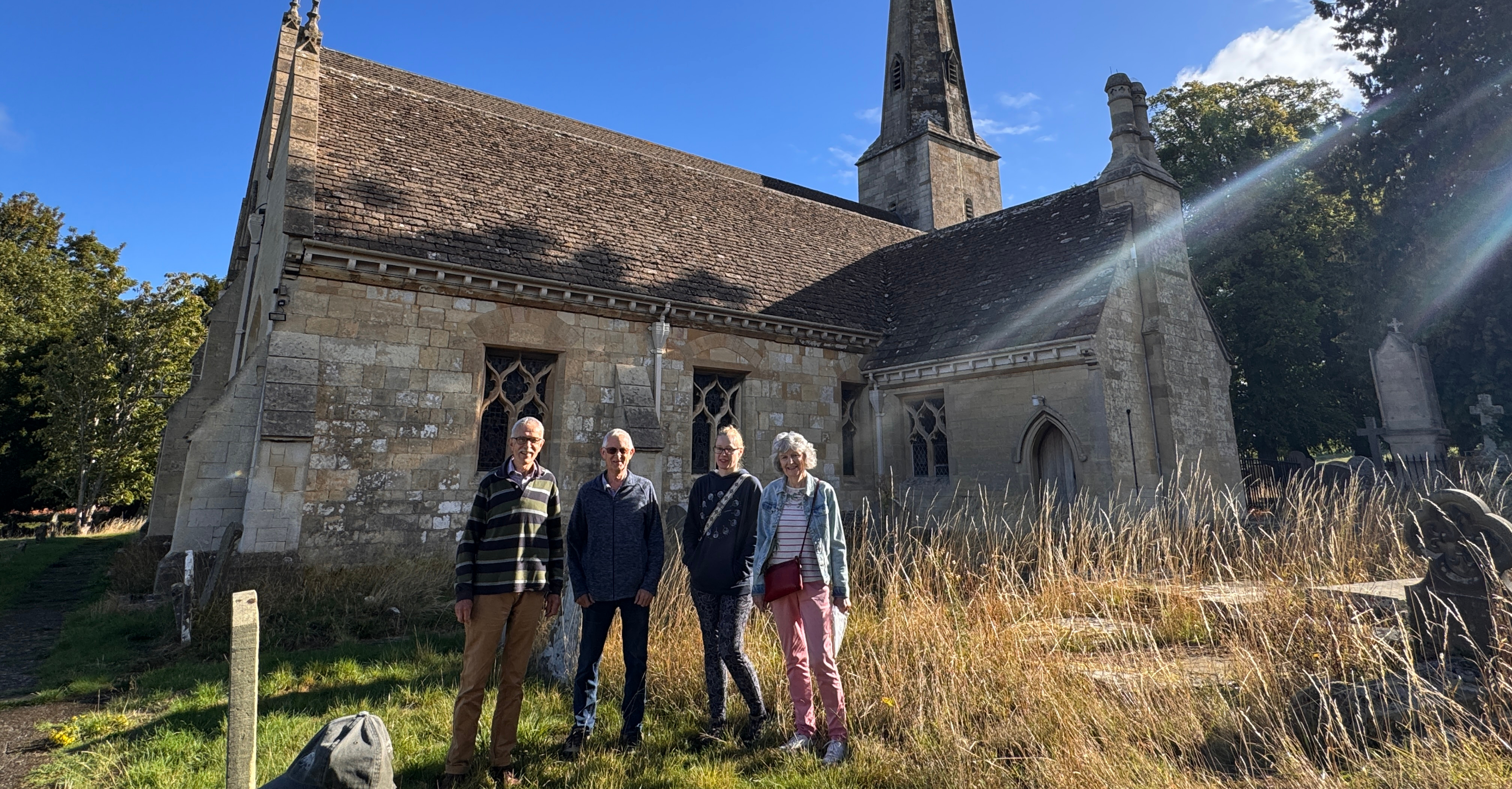
Felicity attended the event on behalf of Cheltenham Action for Nature, joining partners, volunteers, and local leaders for the official declaration and guided walk.


Attendees included the Lord-Lieutenant Edward Gillespie, Tony Juniper (Chair of Natural England), Marion Spain (CEO of Natural England), Mayor Martin Horwood, MP Max Wilkinson, and Dr John Harvey representing the volunteer community. A particularly striking moment came with the presence of a direct descendant of Walter Ballinger, linking today’s conservation success back to the area’s more turbulent history in the early 1900s.
A guided walk followed the ceremony, exploring the escarpment’s landscape, geology, industrial archaeology, ecology and long-term management. The escarpment was described as “the arms of the Cotswolds” – a corridor of over 60 hectares of nationally significant grassland and geological interest.
A recurring theme throughout the day was balance: between people, wildlife, and landscape management. The reintroduction of grazing was highlighted as a key turning point in restoring short, species-rich grassland that supports a remarkable diversity of life.


One of the most powerful ecological stories shared was the return of the Adonis Blue butterfly. Once close to extinction in the 1950s following changes in grazing patterns and habitat structure, it has gradually recovered as land management has been rebalanced. Today, the site supports around 44 butterfly species, including rare and notable species such as the Duke of Burgundy and Purple Emperor.
Volunteer effort was central to the narrative. The Friends of Leckhampton and Charlton Kings Common (FOLK) have contributed thousands of hours of practical conservation work through multiple weekly work parties. Alongside them, Cotswold Wardens contribute tens of thousands of hours annually, maintaining access routes, supporting conservation grazing, and enhancing habitats – including innovative features such as small wall gaps to support reptiles and small mammals.


The event also highlighted the importance of partnership working between volunteers, land managers, and public bodies. Contributors emphasised that the escarpment’s success is not the result of one organisation, but of long-term collaboration and shared stewardship.
For Cheltenham Action for Nature, Felicity’s attendance at the event offered direct insight into the collaboration behind the escarpment’s success – from the thousands of volunteer hours through FOLK and the Cotswold Wardens, to the practical land management that is helping restore species-rich grassland and wildlife habitats.
Conversations on the day also opened potential future collaborations, with local volunteers and partners keen to share stories, increase engagement, and bring more people into hands-on conservation work – from woodland learning and allotments to wildlife habitat creation and education.


As one participant reflected, the escarpment is not just a protected landscape, but a living example of nature and people adapting together over time. The return of species like the Adonis Blue demonstrates how sensitive, informed management can reverse ecological decline – but also how easily that balance could be lost without continued care.
For Cheltenham, today’s declaration is both recognition and responsibility: a celebration of what has been achieved, and a reminder that the future of this landscape depends on continued collaboration between nature, volunteers, and the wider community.