This is a story from one allotment plot, shared between Jan, her partner Rob, and occasional helping hand, daughter Helen. What began as a fairly traditional approach to growing vegetables has gradually evolved into something more thoughtful: a journey towards working with nature rather than trying to control it.
It’s not a story of perfection or expertise. Instead, it’s about shifting assumptions, letting go of old habits, and discovering that an allotment can be as much about mindset as it is about harvests.
“When we took on our allotment, we arrived with plenty of enthusiasm – and quite a few assumptions. Like many people, we thought successful growing meant keeping everything neat, controlling weeds, dealing quickly with pests and generally staying one step ahead of nature.
Over the past couple of years, we’ve gradually discovered something different. Instead of trying to manage every corner of the plot, we’ve started learning how to work with nature rather than against it.
That hasn’t happened overnight. We’ve made mistakes, changed our minds about things and learned a huge amount along the way. Helen still helps out from time to time, but these days the allotment has very much become our project and shared learning journey.
One of the biggest changes has been letting go of the idea that every insect is a problem waiting to happen. When something starts nibbling the leaves, our first instinct used to be to look for a solution. Now we tend to stop and ask a different question: what is happening here, and what else might be part of the story?
Aphids might attract ladybirds. A few holes in leaves rarely spell disaster. Slugs can be frustrating, but they are also part of a wider ecosystem. That doesn’t mean we never intervene. But we’ve become much more comfortable sharing the space.
We’ve also experimented with no-dig growing. Rather than turning over the soil every year, we’ve tried building fertility from the top with compost and organic matter.
Flowers have become an important part of the plot too. When we first started, it was tempting to focus entirely on vegetables. After all, that’s what an allotment is for – isn’t it? But over time we’ve filled beds and edges with flowers and herbs alongside fruit and vegetables. Not only do they look beautiful, they bring in bees, hoverflies, butterflies and other pollinators throughout the season.
Many of our favourite moments now have nothing to do with harvesting food. They are the moments when the plot feels alive. Watching bumblebees moving through the flowers. Seeing birds hunting for insects. Spotting new visitors we hadn’t noticed before.
Perhaps the clearest example is our pond. It’s only a small pond, carefully covered with a grid for safety, but it has quickly become one of the most interesting parts of the allotment. Before long, a frog moved in and made itself at home. Since then, we’ve spent far more time than we probably should watching the comings and goings around the water.


It’s a reminder that even small features can make a big difference. We’ve also become more relaxed about leaving some areas a little wilder. There was a time when we would have felt compelled to tidy every corner. Now we understand that long grass, seed heads and untidy edges can provide food and shelter for wildlife. What once looked neglected increasingly looks valuable.
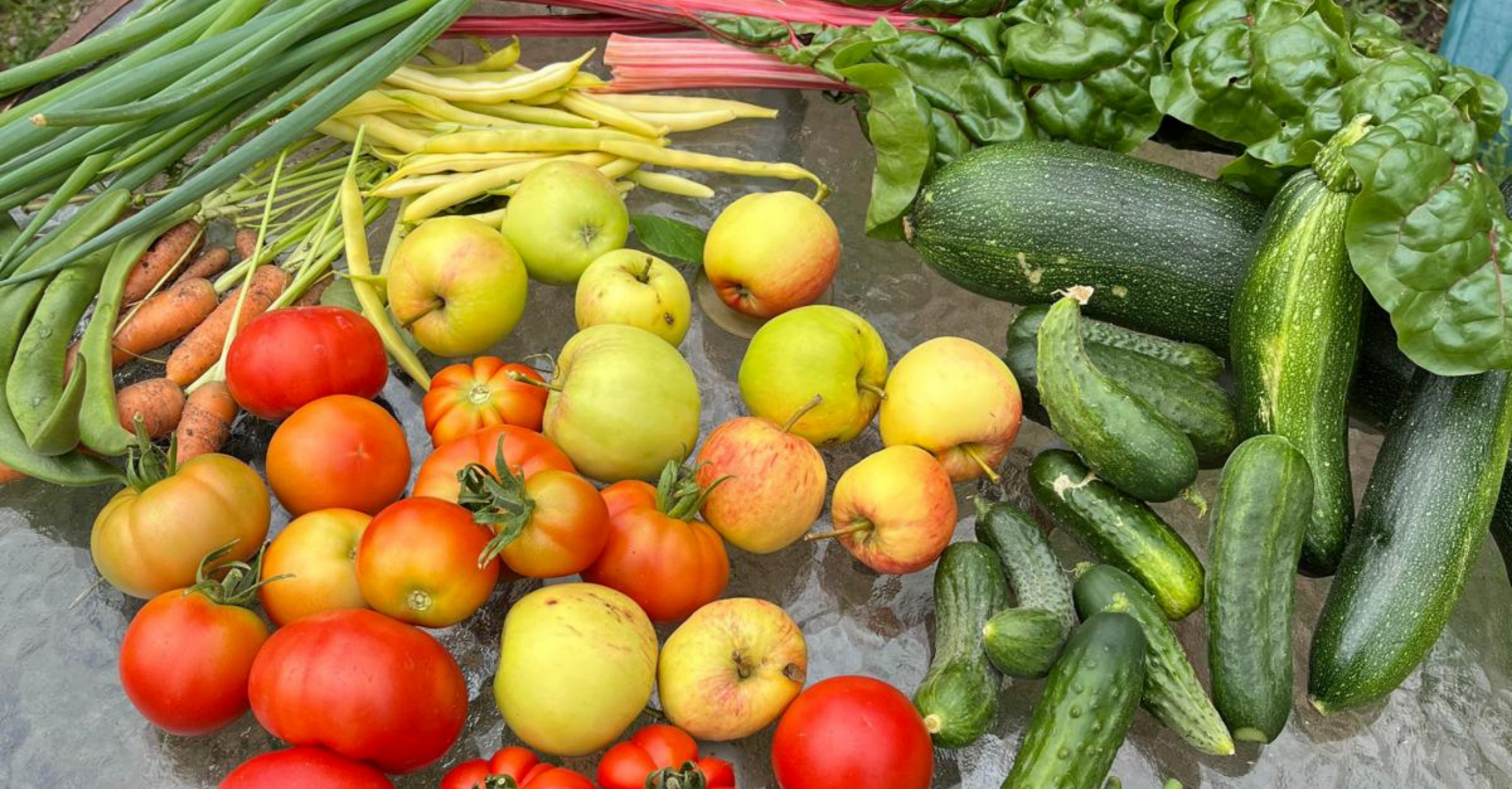
The allotment is still productive. We still grow vegetables, fruit and herbs. We still weed. We still have jobs that need doing. But the plot feels different now. Instead of seeing nature as something to control, we’ve started to see ourselves as part of it.
We’re not experts, and we’re still learning all the time. But perhaps that’s been the biggest lesson of all. Growing successfully doesn’t always mean fighting harder against nature. Sometimes it means stepping back, paying attention and letting nature do some of the work for you.”
This is very much in the spirit of Grow Your Own Cheltenham, where more local gardeners are exploring practical, nature-friendly approaches – from no-dig growing and pollinator planting to making space for wildlife in everyday spaces.
Whether you garden on an allotment, in a back garden, or just in a few pots outside your door, this story is a reminder that nature-friendly growing doesn’t require perfection. It often starts with small choices: leaving a corner a little wilder, planting flowers alongside vegetables, creating a pond, or simply noticing more of what’s already there.